

Building net-zero AI data centers in Canada is more than an energy transition—it’s a national strategy linking clean power, hydrogen innovation, and First Nations partnerships. With provinces like BC and Ontario leading in low-carbon electricity, abundant natural gas networks, and growing digital infrastructure, Canada can deliver the next generation of reliable, efficient, and environmentally responsible compute capacity while advancing Indigenous participation and national net-zero goals.
Why Canada is compelling for AI + energy
Canada’s grid is unusually clean by design: hydropower provides roughly 60 percent of national electricity, complemented by wind, solar, and natural gas. Provinces such as British Columbia and Ontario already have low-carbon baselines and expanding digital infrastructure. BC’s abundant hydro and cool climate make it attractive for high-density compute clusters, while Ontario’s balanced generation mix and industrial corridors connect directly to major research and finance hubs.
Companies such as QScale in Québec and Ontario are investing billions in AI-ready campuses powered by renewable and low-emission energy. The same model applies in BC, where hydropower and emerging hydrogen hubs can anchor energy-intensive workloads while meeting environmental and policy standards.
Demand for AI compute is accelerating. National planners project data-center load growth of over 150 percent by 2030. Co-locating energy generation and computing assets is becoming a structural necessity rather than an optional efficiency.
First Nations partnerships and new financing tools
Canada’s policy framework now embeds Indigenous equity participation in major infrastructure—essential when projects intersect Indigenous territories or rights. In Budget 2024, Ottawa introduced a C$ 5 billion Indigenous Loan Guarantee Program to help communities acquire equity in energy and resource projects. The Canada Infrastructure Bank (CIB) added a C$ 1 billion Indigenous Equity Initiative, while provincial entities such as Alberta’s AIOC provide up to C$ 3 billion in guarantees for Indigenous-owned ventures.
These mechanisms already underpin landmark projects such as the Oneida Energy Storage Project in Ontario, co-developed by the Six Nations of the Grand River and financed in part by the CIB. In BC, Indigenous utilities operate hydro and solar assets that feed regional grids. Collectively, these examples show how Indigenous-led participation can shape next-generation energy and digital infrastructure across Canada.
Co-locating energy and compute across BC, Alberta and Ontario
AI training and inference clusters require firm, 24/7 power with predictable pricing. Co-locating data centers with generation assets—hydro, hydrogen, or hybrid renewable systems—reduces transmission losses, accelerates permitting, and supports grid stability.
- British Columbia: rich in hydroelectric capacity, guided by the BC Hydrogen Strategy, and home to numerous Indigenous-owned clean-energy partnerships. Emerging hydrogen production near Prince George and Fort Nelson complements hydro resources, offering dispatchable supply for data centers or industrial microgrids.
- Ontario: advancing under its Clean Energy Credit and Net-Zero Industrial Policy, promoting zero-emission manufacturing and data-center attraction. The province’s grid, anchored by hydro and gas with carbon management, is well suited to integrate hydrogen for backup and load-balancing.
- Alberta: With one of the world’s most developed natural gas networks and growing hydrogen infrastructure, Alberta is positioned to become a western hub for clean AI-energy integration. The province’s deep gas reserves, extensive pipeline system, and active carbon capture and storage (CCS) facilities create ideal conditions for blue hydrogen production. When combined with data-center demand and industrial clusters near Edmonton and Calgary, Alberta offers cost-effective, low-carbon pathways for co-located hydrogen and compute development. Its Indigenous-led energy partnerships, supported by the Alberta Indigenous Opportunities Corporation (AIOC), further strengthen the model for inclusive, investment-ready projects.
Hydrogen and the path to net-zero
Canada’s 2030 Emissions Reduction Plan and Net-Zero 2050 Strategy identify hydrogen as a key pillar for decarbonising industry and supporting grid reliability. The federal Investment Tax Credit for Clean Hydrogen (up to 40 percent) and complementary provincial incentives accelerate deployment across multiple sectors.
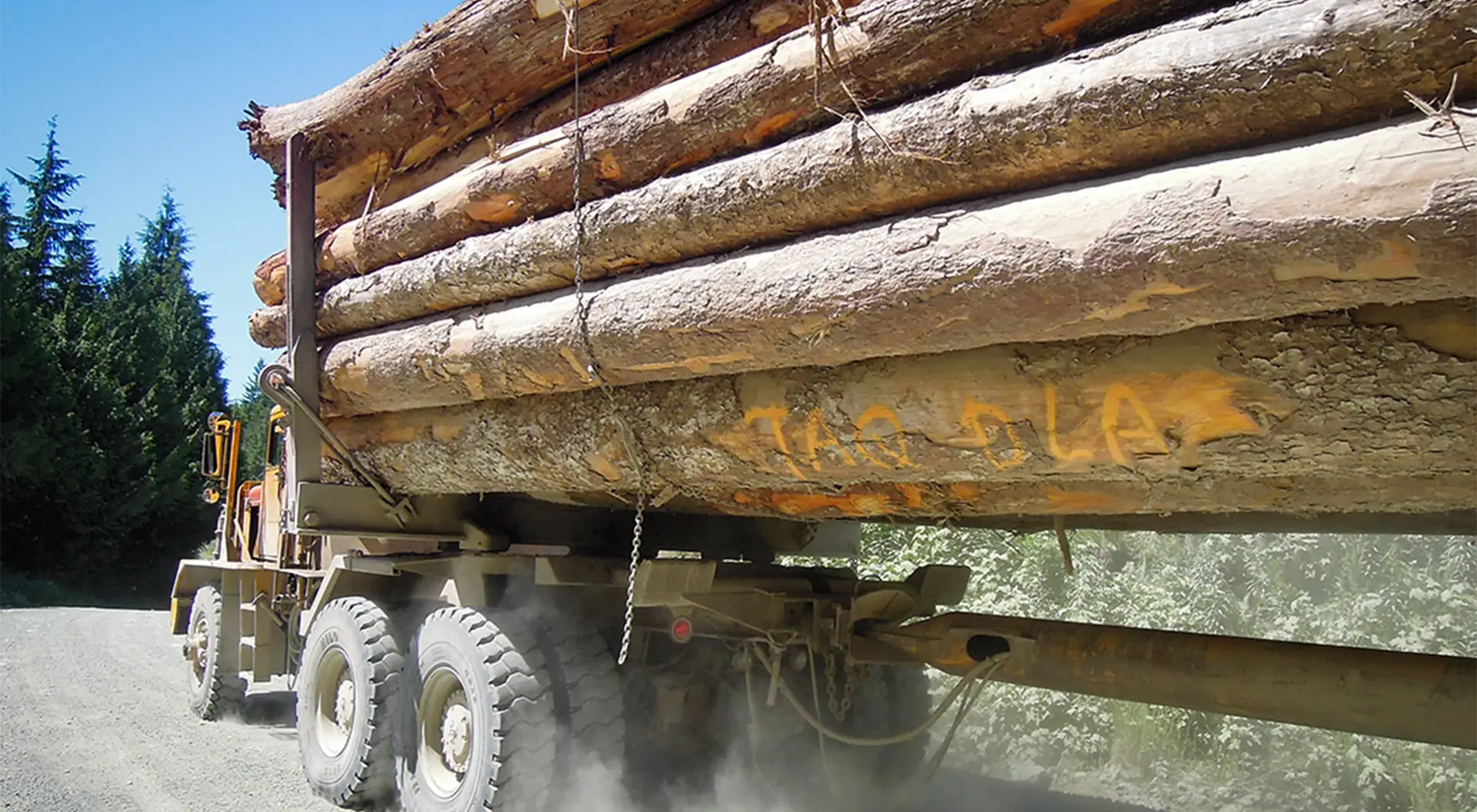
Hydrogen can be produced cleanly, efficiently, and cost-effectively using Canada’s abundant natural gas networks—particularly in Ontario and BC, where infrastructure already reaches industrial corridors and several Indigenous-governed regions. Developing hydrogen hubs at or near these sites makes logistical sense: production can serve heavy transport (logging, forestry, mining), remote energy generation, and co-located AI facilities, reducing emissions while supporting local economies.
Within this national framework, FARST Hydrogen is one example of an advanced, industry-developed blue-hydrogen process. FARST combines catalytic reforming and partial oxidation in a fluidised reaction system with pre-combustion CO₂ capture, demonstrating how emerging technologies could enhance Canada’s broader net-zero mix by supplying dispatchable, low-carbon hydrogen to future data-energy campuses.
Structuring partnerships responsibly
For any future AI-energy development in Canada, success depends on meaningful collaboration with First Nations, Métis, and Inuit governments—grounded in consent, equity ownership, revenue sharing, training, and local procurement. Federal and provincial financing tools make it feasible for Indigenous partners to become co-developers of power assets, ensuring that community benefits align with national clean-growth goals.
Best practice includes:
- Early consultation and consent.
- Transparent equity structures using Indigenous financing programs.
- Training and long-term skilled employment.
- Local procurement in construction and operations.
- Public carbon-intensity and environmental reporting aligned with federal and Indigenous standards.
These approaches support Canada’s UNDRIP Action Plan and create durable frameworks for clean-technology investment.
Net-Zero 2050 and integrated energy systems
Canada’s Net-Zero 2050 Initiative targets economy-wide carbon neutrality through clean electricity, carbon capture, and hydrogen integration. The Clean Electricity Regulations aim for a net-zero grid by 2035, while hydrogen provides the dispatchable complement to renewables and hydro.
For AI data centers—where uptime and reliability are paramount—hydrogen systems, including advanced blue-hydrogen processes like FARST, can deliver firm, low-emission power and backup generation. Deployed within Canada’s technology-neutral policy framework, these systems enhance energy security and support industrial decarbonisation without implying any specific commercial partnerships.
What early projects could look like
A credible, partnership-driven AI-energy campus in BC or Ontario would:
- engage affected First Nations governments under equity and consent-based frameworks;
- integrate hydro as baseload, hydrogen for dispatchable supply, and battery storage for peaks;
- align with Canada’s net-zero regulations and hydrogen strategy;
- publish transparent ESG and community-benefit reports.
Such developments could set the benchmark for balancing digital growth with environmental and social accountability—built on Canada’s strengths in clean energy, Indigenous leadership, and innovation.
Conclusion
Canada’s convergence of AI data-center demand, clean-energy capacity, First Nations partnership frameworks, and hydrogen opportunity defines a generational moment. BC and Ontario illustrate how low-carbon electricity, responsible governance, and Indigenous equity can align to deliver world-class infrastructure.
Emerging hydrogen technologies—including processes such as FARST—show how industry innovation may complement renewables and hydro, supporting net-zero targets and reliable, scalable compute power. By embedding clean energy and inclusive partnership models from the outset, Canada can build AI-energy hubs that are economically resilient, environmentally responsible, and socially respectful.